
AI Gadgets That Are Changing Our Everyday Memory
Imagine you are in a business meeting, chatting with a friend or struck by a sudden idea. Instead of taking out your phone and typing, a small device you are carrying records the information. A few minutes later you have a tidy summary of what was said, the key points and even the tasks you need to do. This is the experience the new generation of AI-based gadgets is trying to build.

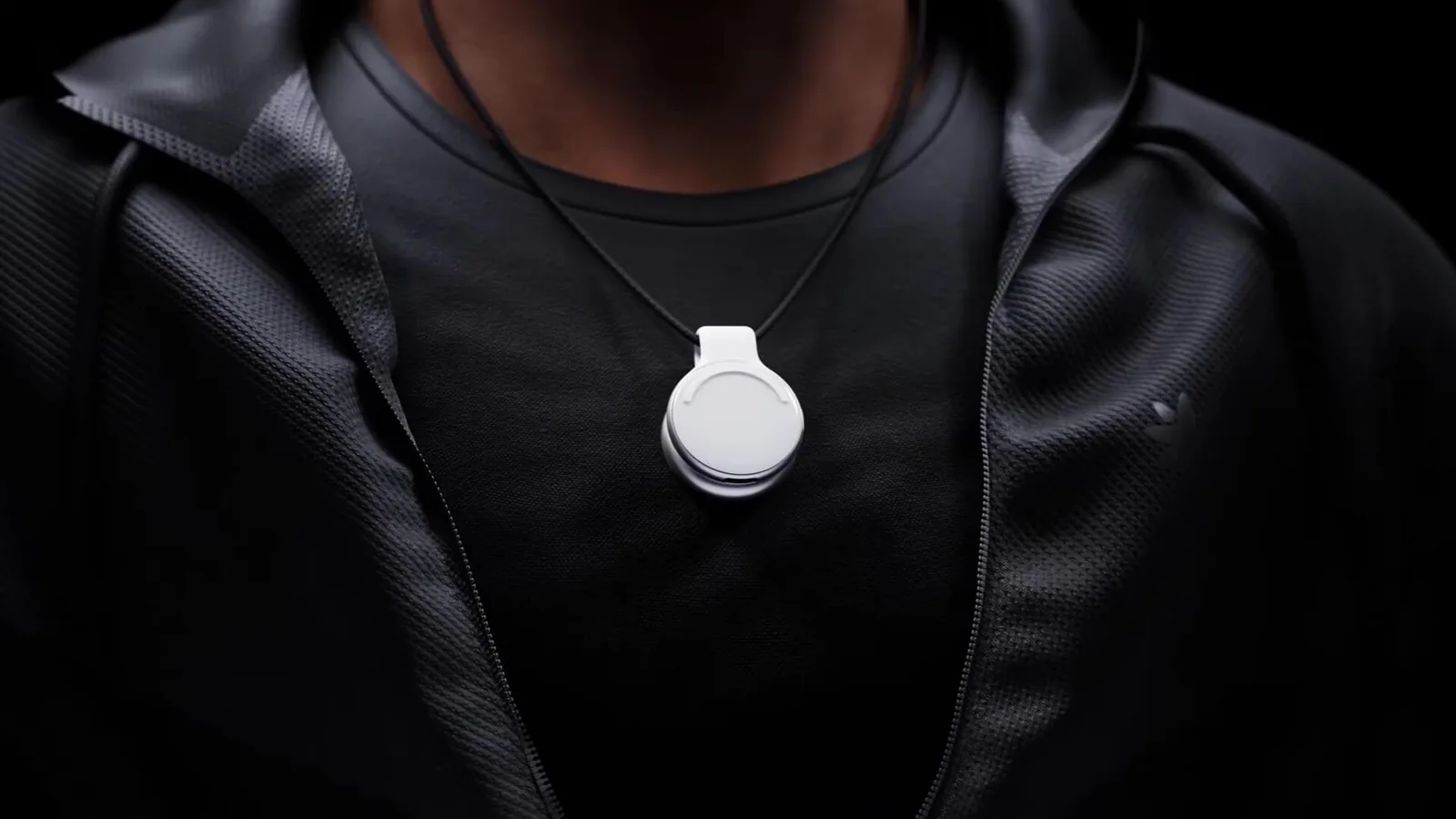
At first glance the idea looks like a tiny voice recorder or a note-taking app, but the real difference lies in how the information is processed. The device doesn’t just store sound. AI software tries to understand the content of the conversation, turn it into text, identify the main topics and make available the information you are likely to need later.
This category of products has attracted a lot of attention in recent years. From small devices clipped to clothing to smart recorders and personal-assistant tools, companies are experimenting with ways to take interaction with AI beyond the screens of phones and computers.
Still, a more important question than how appealing these products look is whether they can genuinely improve part of daily life. Can we trust the information they record and summarise? And above all, when a device records parts of our conversations and life events, what happens to privacy?
From recording sound to building a digital memory
To understand this technology we need to distinguish between recording sound and building a digital memory. An ordinary voice recorder stores information exactly as it receives it. If you want to find a sentence spoken in a one-hour meeting, you have to listen to the file again or convert it to text with another tool.
An AI gadget tries to shorten this process. First the sound is captured, then a speech-recognition system converts it to text. In the next step, a language model can categorise the text, prepare a summary and pull the key points out of the conversation.
Capture
The device’s microphone picks up ambient sound or the conversation.
Convert to text
Speech-recognition technology turns the audio file into text that can be processed.
Analyse the content
AI extracts topics, decisions and key points.
Retrieve information
Later, the user can search and review what was recorded.
This way, instead of facing hours of audio files, you may find yourself with a set of topic-based notes. For example, if a meeting covered the project delivery date, the budget and team members’ tasks, the system can show these topics in separate sections.
Of course, this process doesn’t mean a complete, error-free understanding of the conversation. AI models may record a tentative remark as a firm decision, misidentify people’s names or leave out part of a conversation. For this reason, it is better to see these tools as an assistant for capturing information, not as a complete replacement for human memory and judgement.
Why have wearable AI gadgets drawn attention?
One reason for the enthusiasm is the change in how users interact with technology. In the traditional model, to use a digital tool we had to open a device, launch an app and enter information. In the new approach, the aim is for part of the interaction to happen without constantly looking at a screen.
The smartwatch is an example of this change. Users can see notifications or check their daily activity without taking out the phone. AI gadgets are another step along the same path, with the difference that they focus more on capturing and processing information.
For example, in a business meeting a person may want to give their full attention to the discussion, and taking notes at the same time can reduce their focus. A small device that records and processes sound can take over part of that job.
A similar idea exists in daily life. While walking, driving or doing something, an idea may come to mind. Instead of opening the phone and typing, it can be recorded by voice. Of course, whether this is possible depends on the type of device, the way recording is activated and the conditions of use.
An important change in user experience
The goal of these products isn’t only to make hardware smaller. They want to shorten the gap between something happening and that event becoming usable information. If the idea is executed well, users will spend less time recording and organising information.
Examples of real gadgets in this space
To understand this market better, we can look at a few real products. They are not the same in design, way of use or software features, and mentioning them doesn’t mean endorsing one model over another.
Plaud NotePin: note-taking in a small gadget
Plaud NotePin is an example of small smart recording and note-taking devices. Its compact design is meant for people who want to capture audio in meetings, conversations or other situations without constantly using their phone.
The value of such a product isn’t only in recording sound. The software features for converting speech to text, producing summaries and organising information are part of the experience that should be evaluated. Usage limits, service costs and supported languages matter a great deal too.
Bee: closer to an always-with-you personal assistant
Bee is one of the better-known examples of the idea of recording everyday information and turning it into usable reminders. This approach goes beyond recording a formal meeting and asks how scattered pieces of daily life can be put back in front of the user at the right moment.
This kind of experience is appealing, but at the same time it raises important questions about how recording works, user control, data storage and the consent of the people in the conversation. The closer a device gets to continuous recording, the more important these issues become.
Omi: small hardware combined with a smart assistant
Omi also belongs to the family of wearables connected to AI. In this approach, the hardware is only one part of the product, and the app, language-processing models and software features play a major role in the final experience.
When evaluating such a product you should ask which features are free, which depend on the internet and how the user’s data is processed in connected services. Sometimes the main difference between two gadgets isn’t their look but the quality of the software and support behind them.
Real uses: who benefits from this technology?
Managers and business owners
In workplaces, part of people’s time goes into meetings and coordination. Recording decisions, tasks and schedules is very important. A smart tool can prepare an initial draft of the meeting minutes so that team members can review and correct the text instead of starting from scratch.
Of course, for financial matters, contracts and organisational decisions, AI output must be checked carefully. A mistake in a date or an assigned responsibility could have real consequences.
Students and researchers
Recording a class or a research interview can help with review. After the session, instead of listening to the whole audio file again, a student can use the text to find the important topics.
Even so, the quality of language recognition is essential. Support for English can’t be taken as equivalent to accurate support for Persian. For use in Persian-language classes, the device’s real performance with the language, technical terms and accents should be tested.
Journalists and interviewers
In long interviews, finding a particular sentence or topic can take a lot of time. Converting audio to text and searching for words can make the review process easier.
Even so, the generated text shouldn’t be published as a definitive quotation without checking it against the audio. Even a single changed word can alter the meaning of what someone said.
People with busy daily schedules
The idea of quickly capturing thoughts and reminders appeals to people with many activities. They can record short notes by voice and come back to them later.
Still, it must be clear what the user’s main problem is. If the only issue is forgetting appointments, the phone’s calendar may be a simpler and cheaper solution. Buying a new gadget is justified only when it solves a real problem better than the existing tools.
What is the main advantage of these devices?
The main advantage of AI note-taking gadgets is that they shorten the gap between capturing information and using it again. In the traditional method, an audio file may be recorded and never revisited. Converting the file into text and a summary can make it more likely that the information will be used again.
Saving time
Less time spent typing and doing the first sort of notes.
Faster search
Finding key topics and phrases across the recorded text.
More focus
More attention on the conversation instead of constant typing.
Organised information
Scattered information turned into topic-based notes that are easy to review.
But these advantages only mean something when the device matches the user’s real need. If speech-to-text accuracy is low, or the user has to spend a lot of time correcting the output, the time-saving advantage fades.
The big challenge: when a device hears everything
Any technology that collects more information from daily life also carries more responsibility to protect that information. Wearable AI gadgets may gain access to conversations that include personal, work-related or confidential information.
The issue isn’t only the security of the files. The people in a meeting or a private conversation may not know their voices are being recorded. So the small size of the device shouldn’t lead us to overlook the responsibility to inform people and respect their consent.
Take privacy seriously
Before using a device to record a meeting, a class or a personal conversation, check people’s consent and the relevant regulations. You should also know where the files are stored, who can access them, whether they are sent to online servers for processing and how the data can be deleted.
Another issue is dependence on cloud services. Some AI features may run on the manufacturer’s servers. In that case, internet access, account conditions and data-retention policies affect the user’s experience.
For sensitive information, don’t rely only on words like “secure”, “private” or “protected” in advertising. You need to check the privacy policy, the encryption method, the ability to delete data and the conditions for accessing the information.
Can’t a smartphone do the same job?
This question is one of the most important points in judging whether these products are worth buying. Today’s phones can record sound, and many apps also offer speech-to-text or summarisation.
So a standalone gadget is valuable only when it creates a real advantage. Easier carrying, a better microphone, quicker access or a wearable design may matter to a particular user. But if the user gets the same result with a phone app at lower cost, buying a separate device isn’t necessarily logical.
| Criterion | Mobile app | Standalone gadget |
|---|---|---|
| Initial cost | May need no new hardware. | Requires buying a device. |
| Ease of carrying | Depends on having your phone with you. | May be smaller and quicker to reach. |
| Features | Depends on the app and the phone. | Depends on the hardware and the maker’s service. |
| Ongoing cost | May involve a subscription. | May need a subscription on top of the purchase. |
What should we check before buying?
Buying these products shouldn’t be based only on attractive design or AI marketing. Before choosing, a few points deserve special attention.
Persian-language support
If your main use is recording Persian conversations, the device’s real performance in this language should be tested. Support for English is no guarantee of correct recognition of Persian, accents or technical terms.
Subscription cost and usage limits
Some services may have monthly limits for speech-to-text or advanced summarisation. Work out the cost over a year and don’t look only at the initial hardware price.
Software and regional compatibility
Check that the app is available in the country where you will use it, is compatible with your phone’s operating system and doesn’t need an account or a payment method you can’t use.
Control and deletion of data
The device should let you manage recordings and stored data. Before buying, check how recording is stopped, how files can be exported and how data is deleted.
Recording quality and battery life
The quality of the microphone in noisy places, the right distance from the speaker and the real battery life all have a big effect on the experience. It is better to pay attention to hands-on reviews and independent tests.
Where is this technology heading?
One likely direction for these products is closer links between recorded information and everyday tools. Imagine a device that could capture the points of a meeting, recognise the tasks mentioned and, with the user’s approval, move them to a calendar or task list.
In that case, the gadget would no longer be just a voice recorder; it would become part of a personal information-management system. Instead of searching manually through different files, the user could ask their assistant to find a topic among previous notes.
Of course, this future depends on several important advances: more accurate speech recognition, fewer errors in summarisation, safer processing of data and better user control over information. If these problems aren’t solved, the initial appeal of the products may turn into an experience full of errors and worry.
The main competition between companies in future will probably not be only about making devices smaller. The quality of the smart assistant, its trustworthiness, compatibility with other services and the protection of personal information may be more important criteria for users.
Conclusion: will a digital memory become part of our lives?
AI note-taking gadgets are an interesting example of technology moving toward always-with-you tools. They want to make capturing information easier and shorten the gap between hearing something and using it again.
For managers, researchers, students and people who deal with large volumes of conversations and information every day, these products can be useful. But the quality of speech recognition, language support, service cost, regional availability and privacy remain serious challenges for this technology.
It seems the future of these gadgets depends on how well they can truly make users’ lives simpler without adding more worry and complexity. Technology is valuable when it solves a real problem, not when it merely adds one more item to our shopping list.
Frequently asked questions
What is an AI note-taking gadget?
A small device that can record sound and, with AI software, turn it into text, summaries or usable notes.
Do these devices support Persian?
It depends on the model and the software service. Real Persian support and the quality of the output should be checked before buying.
Will these gadgets replace the phone?
No. They are usually designed for specific tasks such as recording audio and taking notes, and in many cases they still need a phone and a companion app.
Are AI summaries completely reliable?
No. Some information may be left out or misinterpreted. For work and financial decisions and for sensitive information, the output should be checked against the original recording.
Does using these devices require the internet?
Depending on the model, some processing may happen on the device or phone, while some features depend on the internet and a cloud service.
To work with me on projects like these, click this button.
My services & collaboration